In this month’s blog, let’s consider how osteoarthritis comes about and why it feels so painful. I’ll also chat about how K-Laser treatment can help lessen the burden of arthritic pain.
Most of us start off in life with fully functional joints and, hopefully, go though the course of our lives without dreadful accidents – we just have general ‘wear and tear’…
I once read somewhere that a human being in an average lifespan will have walked or run distances amounting to circumnavigating the planet eight times! I wonder how they worked that out?!
Call for a chat: 07816 303 742

How does Arthritis affect my joints?
Arthritic joints undergo progressive structural, biomechanical and biochemical changes that contribute to pain, stiffness and loss of function. In osteoarthritis, one of the main degenerative processes is the gradual breakdown of articular cartilage. Chondrocytes, the cells responsible for maintaining cartilage, become dysfunctional and the balance between tissue synthesis and degradation is disrupted.
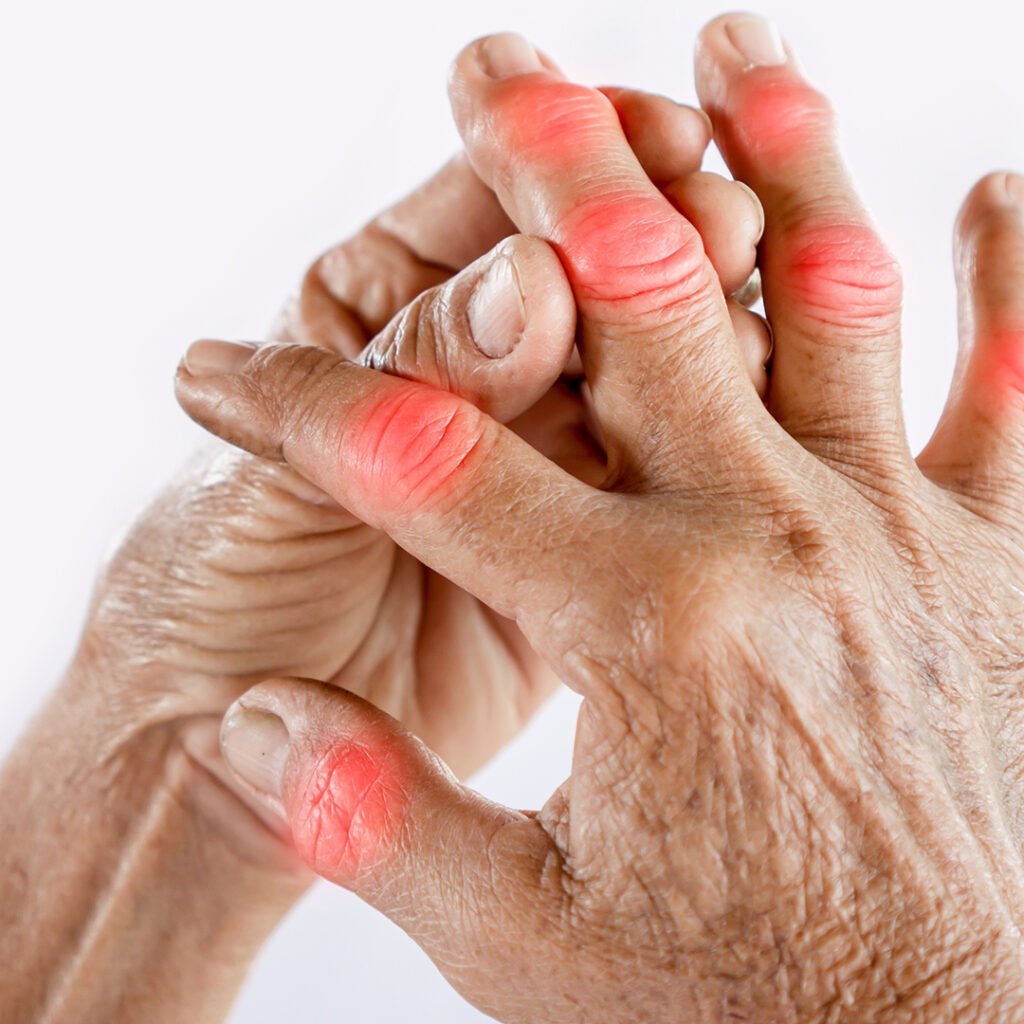
In addition, proteoglycans and collagen within the extracellular matrix are progressively lost, reducing the cartilage’s ability to retain water and withstand compressive forces.
As degeneration advances, the cartilage surface becomes rough and irregular and may eventually become severely depleted, increasing mechanical stress on the underlying subchondral bone.
Call for a chat: 07816 303 742
These structural changes alter joint biomechanics. Reduced cartilage thickness and elasticity decrease the joint’s ability to distribute load effectively, while changes in subchondral bone can increase stiffness and alter force transmission. Osteophytes may develop around the joint margins, and capsular thickening, synovial changes and muscle weakness can further restrict normal movement. Consequently, abnormal loading and increased friction can produce:
- Stiffness
- Reduced range of motion
- Mechanical pain
Pain happens particularly during weight-bearing or repetitive activity.
Biochemical changes also play an important role in pain generation and these substances can stimulate or sensitise nociceptors – free nerve endings that detect potentially damaging mechanical and chemical stimuli – in the synovium, joint capsule, ligaments and surrounding tissues.
Sensitisation lowers the threshold at which these nerve endings respond, meaning that previously tolerable mechanical stresses may become painful. In addition, inflammatory mediators can also contribute to peripheral sensitisation, helping to maintain pain even when the original mechanical stimulus is relatively modest.

How does Laser Therapy can help arthritis sufferers?
K-Laser, a low-level laser therapy (LLLT), is clinically shown to manage arthritic pain by delivering low-intensity light to affected tissues.

Therapeutic mechanisms include effects on mitochondrial activity and cellular signalling, supporting tissue metabolism and influencing inflammatory processes.
K-Laser treatments reduce the production or activity of some inflammatory mediators and also influences nociceptor activity and peripheral nerve conduction. These effects can reduce peripheral sensitisation and consequently lessen pain. In addition, K-Laser will support local circulation and tissue repair, potentially contributing to improved joint comfort and function.
I need to be honest and transparent, many of my K-Laser patients have less pain and better mobility and much less need for a mainstream medical escalation towards surgery but some patients definitely need to get joint replacement surgery.
The fact is, in that instance, is that surgery can be a long time coming in the modern age and so K-Laser still remains a very relevant and effective way of managing arthritic pain for someone suffering whilst waiting for surgery.
Call for a chat: 07816 303 742
I’ve written another blog regarding arthritis called ‘Does low level laser therapy work for Arthritis?‘, and you also might like reassurance regarding Laser therapy, so here’s the scientific facts: ‘Low Level Laser Treatment: The Facts‘.