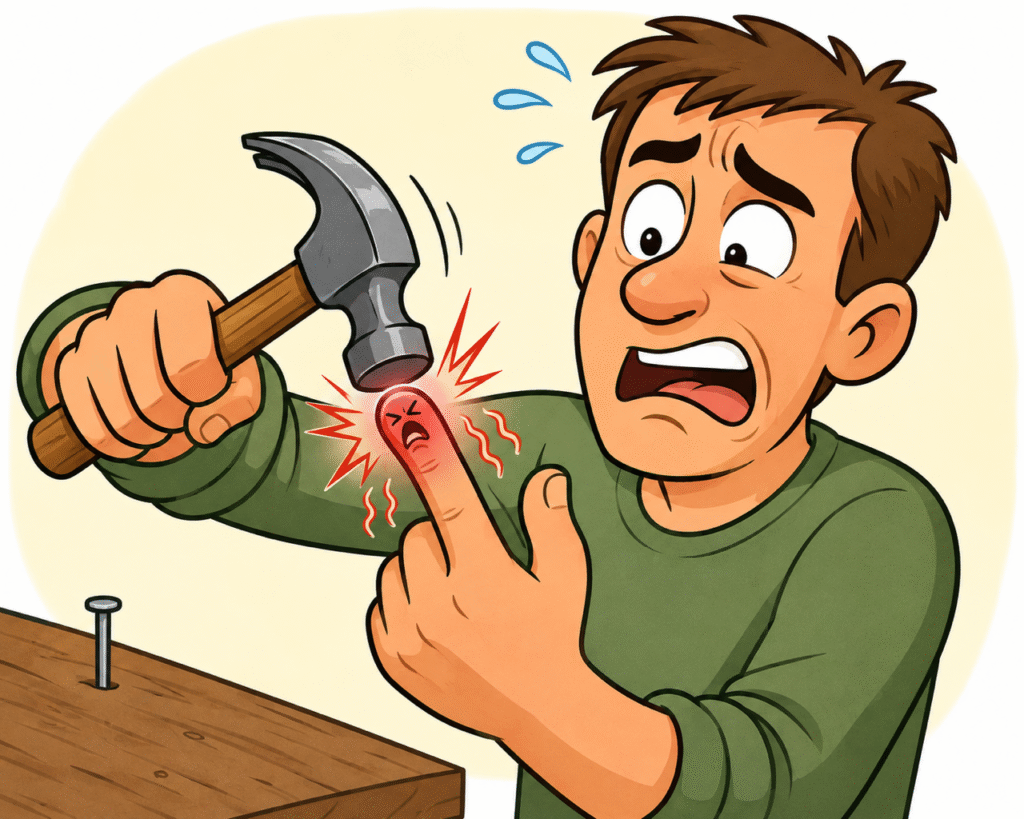
Inflammation is one of the body’s fundamental protective responses to injury, infection or tissue irritation. It influences pain, swelling, stiffness and loss of function following damage to muscles, tendons, ligaments, joints and nerves. The suffix “itis” simply denotes inflammation – so arthritis, tendinitis and neuritis all describe inflammatory processes affecting different tissues.
Call for a chat: 07816 303 742
Rapid response
When body tissues are injured, the immune and vascular systems respond rapidly. Blood vessels become more permeable, allowing fluid and immune cells to enter the affected area. This produces the familiar features of inflammation:
- redness
- heat
- swelling
- pain
- impaired function
In orthopaedic conditions, these responses can be useful initially because they help remove damaged tissue and initiate repair. However, when inflammation persists or becomes excessive, it can contribute to ongoing pain, tissue dysfunction and delayed recovery.
The science bit!
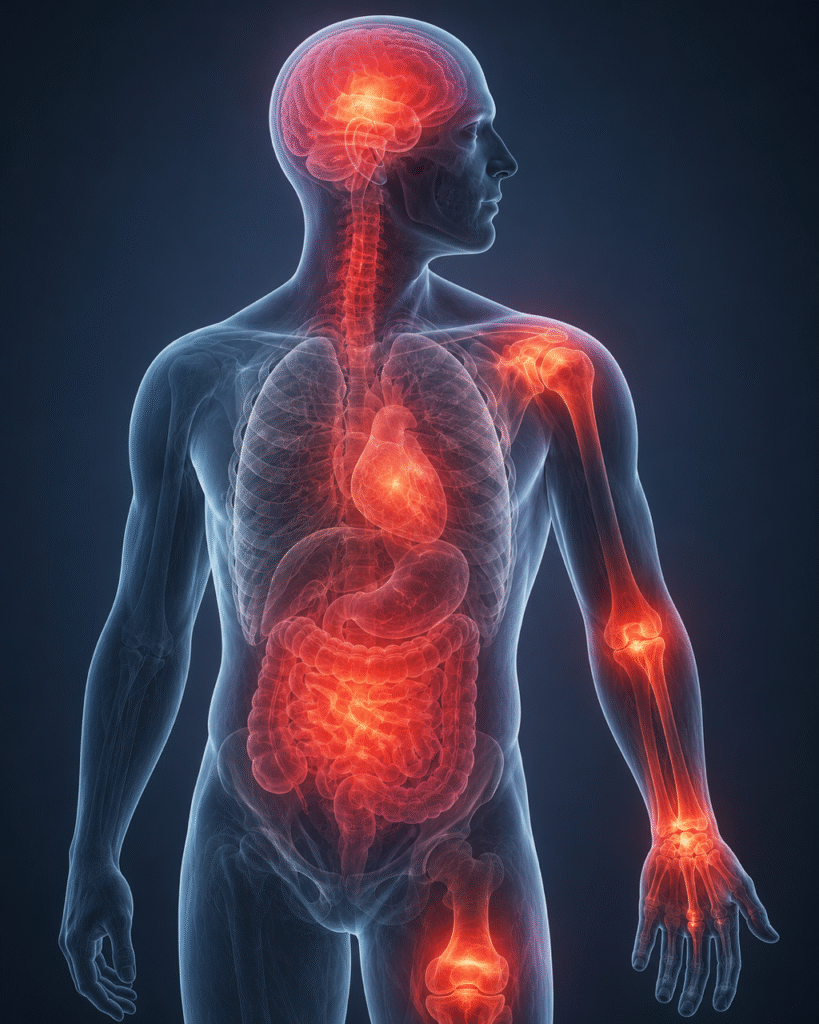
When inflammation occurs, a range of biochemical mediators participate in this process. These include histamine, bradykinin, prostaglandins, leukotrienes, cytokines and chemokines, together with other inflammatory signalling molecules. Some, particularly prostaglandins and bradykinin, can sensitise peripheral nociceptors – specialised nerve endings responsible for detecting potentially damaging stimuli.
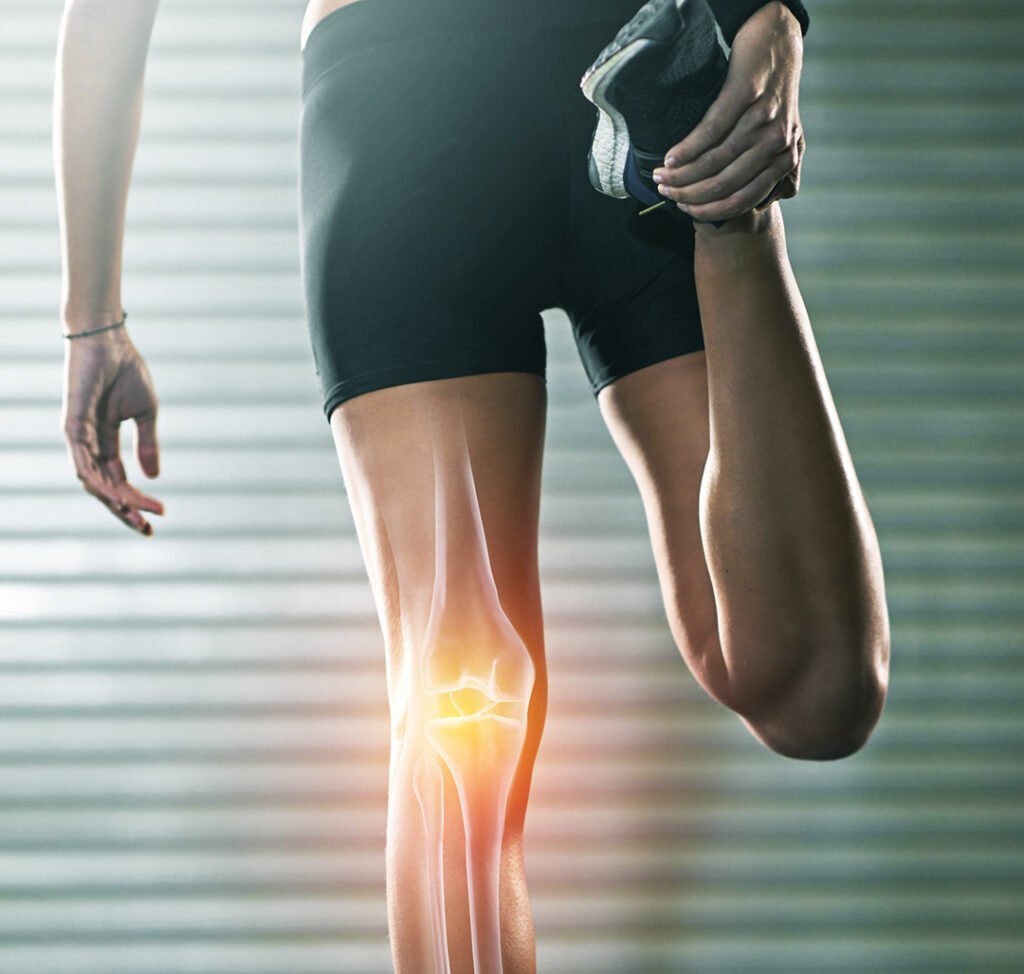
Sensitisation lowers the threshold at which these nerve endings respond, meaning that movements or pressures that would normally be tolerated may become painful. This helps explain why an inflamed joint, tendon or ligament can hurt with relatively minor loading.
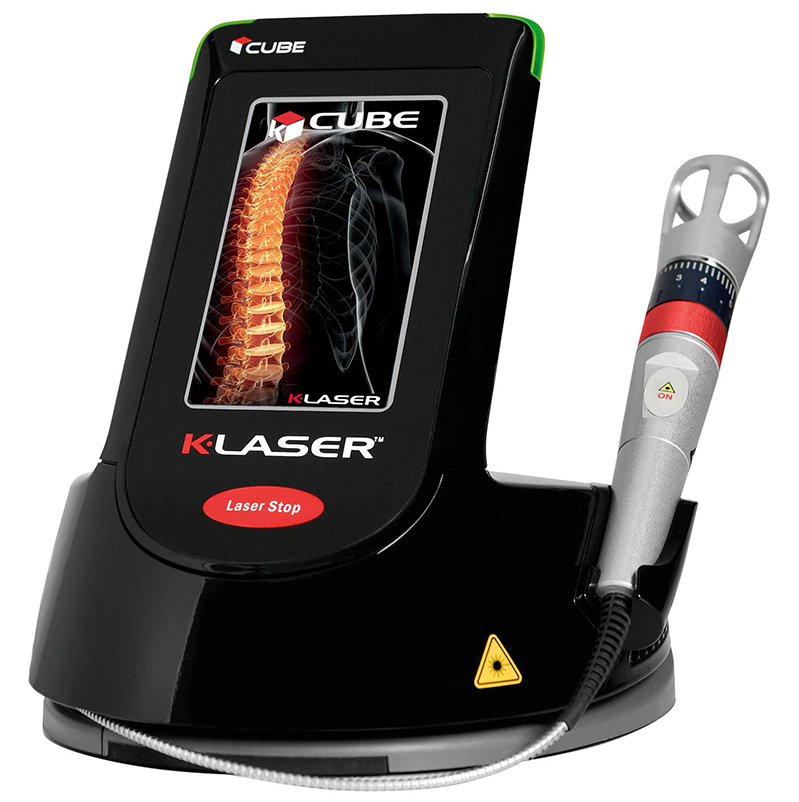
Low level laser treatment is extremely versatile and can treat a broad range of conditions including musculoskeletal conditions, sports injuries, nerve pain, inflammatory conditions, and chronic pain conditions. Read more about K-Laser
Call for a chat: 07816 303 742
Examples in musculoskeletal conditions
Examples are widespread in musculoskeletal conditions. Arthritis involves inflammation within or around a joint and can cause pain, stiffness and restricted movement. Tendinitis, like tennis elbow and golfer’s elbow, involves irritation and inflammatory signalling within painful tendon regions around the elbow. Carpal tunnel syndrome involves compression of the median nerve at the wrist; although mechanical compression is central, inflammatory and biochemical changes around the nerve can contribute to its symptoms.
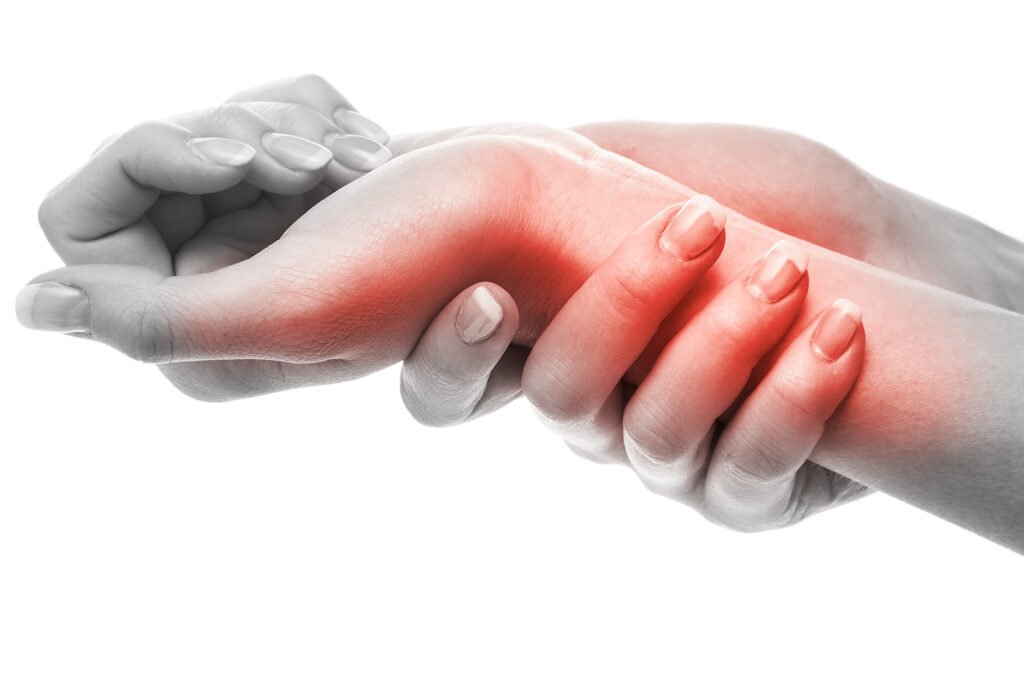
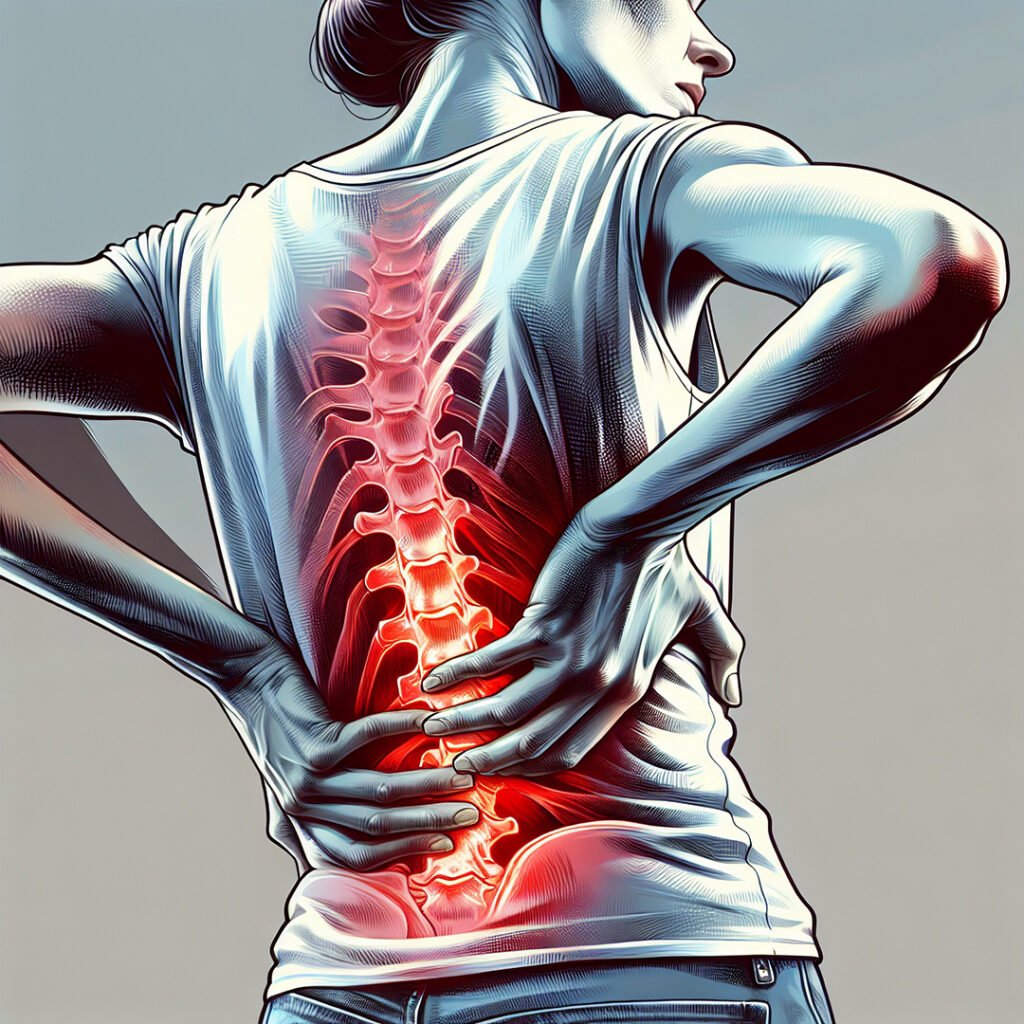
Similarly, an ankle sprain can produce considerable inflammatory swelling following ligament injury. Facet capsule irritation in the spine will also generate local inflammation and chemical sensitisation of nearby pain-sensitive structures.
The relationship between inflammation and disease becomes even more significant when considering chronic conditions. Persistent, low-grade systemic inflammation has been increasingly recognised as a contributing mechanism in a number of chronic conditions leading to altered metabolism, immune activation, and impaired repair thereby creating a negative cascade.
For this reason, recovering quickly and efficiently from an acute inflammatory episode may have significance beyond simply reducing pain. Read my other blog: How long will it take to heal
Call for a chat: 07816 303 742
Appropriate loading can then occur in structures and tissues – supported by rehabilitation, sleep, nutrition, and the management of contributing mechanical factors – to facilitate a return to normal function. Controlling persistent inflammation is very important in maintaining a good health span – the years of life spent in good functional health… It is a biological process that, appropriately regulated, can support healing yet, when it is prolonged or left dysregulated, can contribute to development of painful and burdensome chronic conditions.
Combi treatments can help
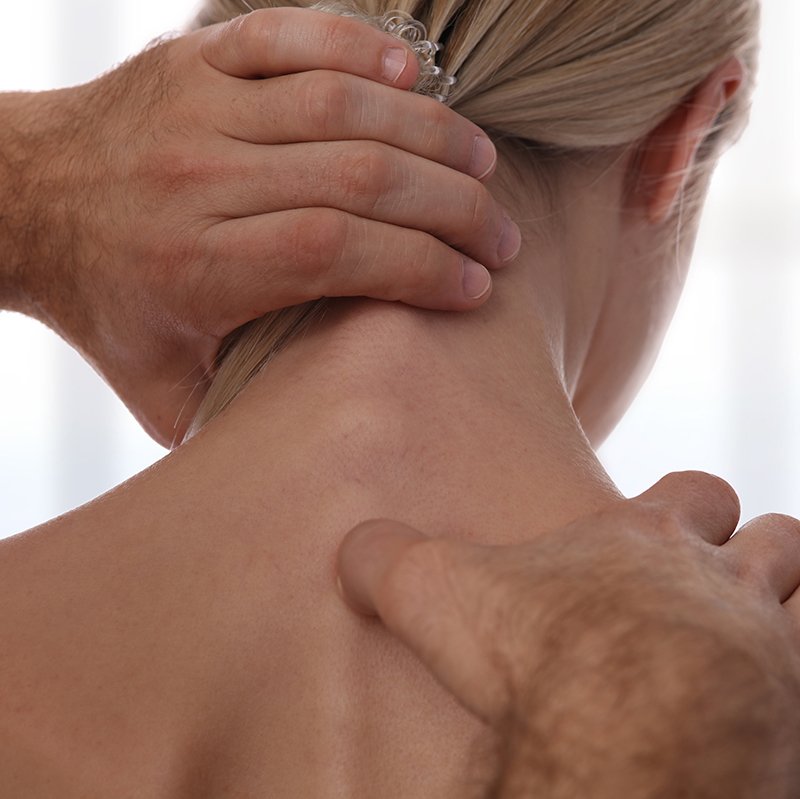

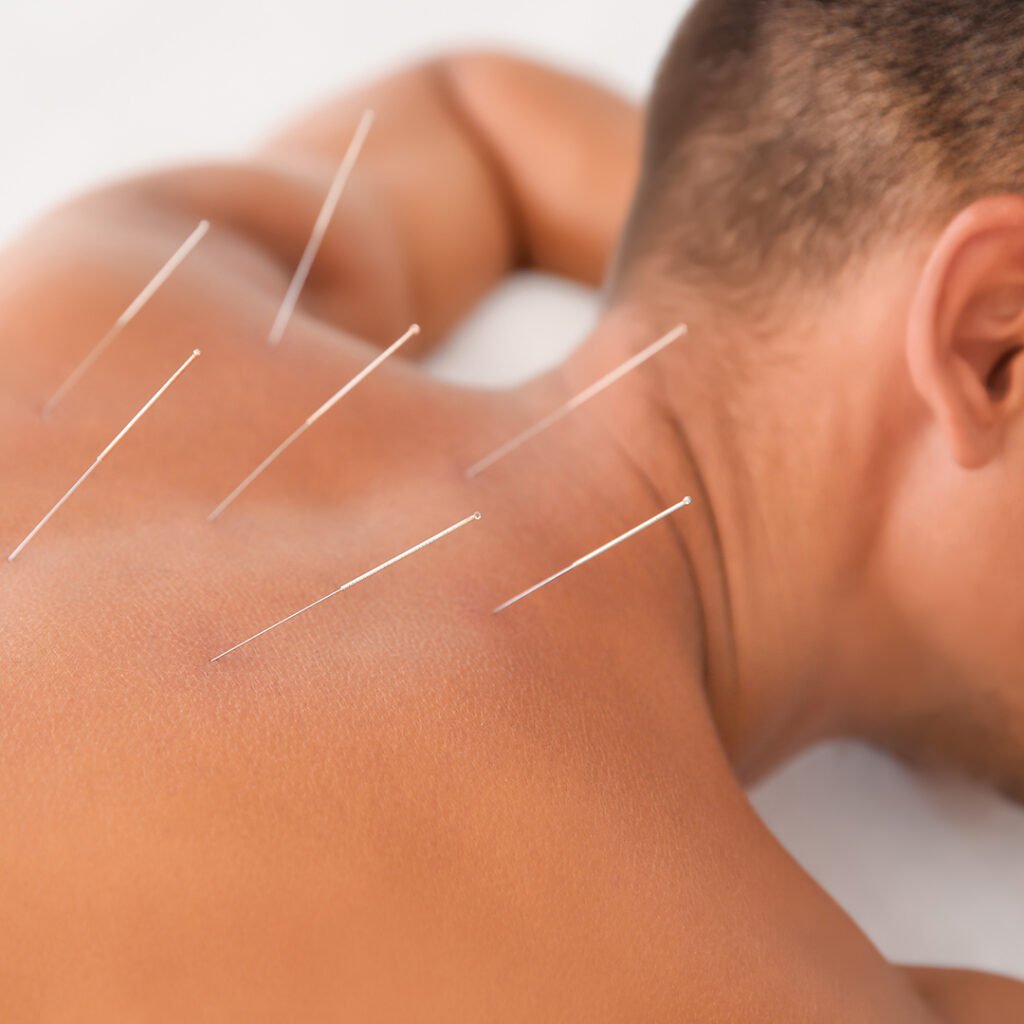
My combi-treatments not only deal with acute inflammatory episodes but can also lessen pain and reactivate a positive healing cascade in more chronic orthopaedic conditions, like arthritis. By combining osteopathy, acupuncture, massage, and K-Laser. Read more about my combi-treatments.