There’s a lot of folks who are experiencing shoulder pain, especially following summer activities like gardening and various sports. So let’s look at these in depth, where and what they are and why they come about.
Issues of the biceps tendons
There are two upper attachments of the biceps muscle – you probably know where that is in
the body if you’ve ever seen or used this emoji… 💪 The long head of the biceps tendon is one of the two biceps tendons that attach the biceps muscle to the shoulder. It helps bend the shoulder and elbow, turn the palm upwards, and helps keep the shoulder stable. Injuries usually happen because of repeated overhead movements, heavy lifting, ageing, or a sudden injury such as falling. The tendon can become inflamed (tendinitis), partially tear, or completely rupture.
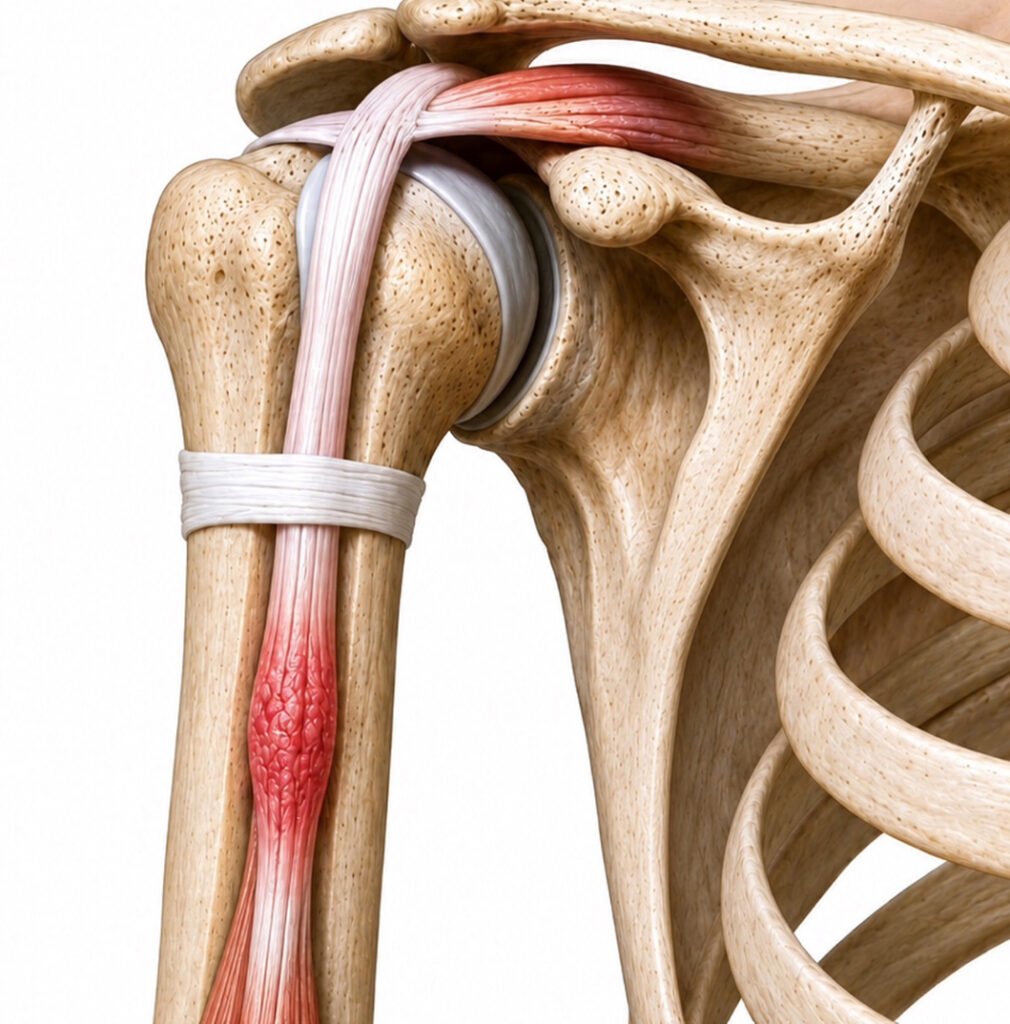
Symptoms include pain at the front of the shoulder, especially when lifting objects or turning the palm upwards. Treatment usually begins with rest, avoiding painful activities, pain relief medication, physiotherapy, and sometimes a steroid injection. If the tendon is badly torn or symptoms do not improve, surgery may be needed to repair or reposition the tendon.
Personally, for minor issues, I use osteopathic techniques and low level laser therapy to settle any inflammation and hasten a repair.
Call for a chat: 07816 303 742
Rotator cuff injuries
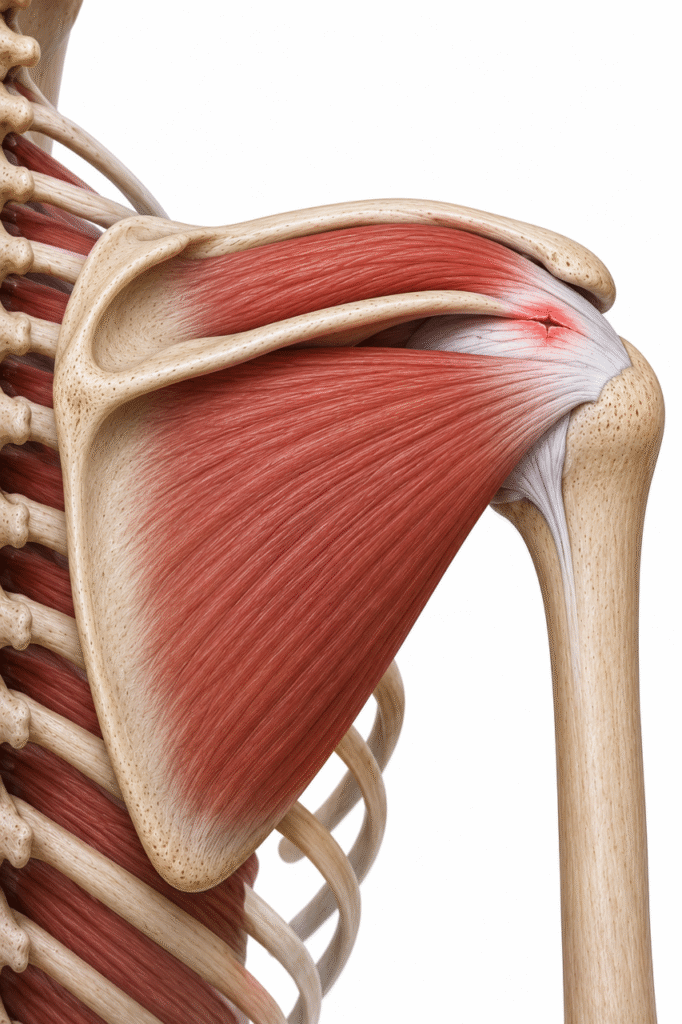
The rotator cuff is a group of four muscles and their tendons that surround the shoulder joint. These muscles help lift and rotate the arm while keeping the shoulder joint stable.
Rotator cuff injuries are common, especially in people who play overhead sports, do manual work, or are getting older. The tendons can become irritated, worn down, or torn after repeated use or a sudden injury.
Symptoms include pain on the outside of the shoulder, weakness, difficulty lifting the arm, pain at night, and reduced movement.
Call for a chat: 07816 303 742
Allied Health Professionals, like myself, diagnose rotator cuff injuries by asking about symptoms, examining shoulder movement and strength, and by carrying out special shoulder tests.

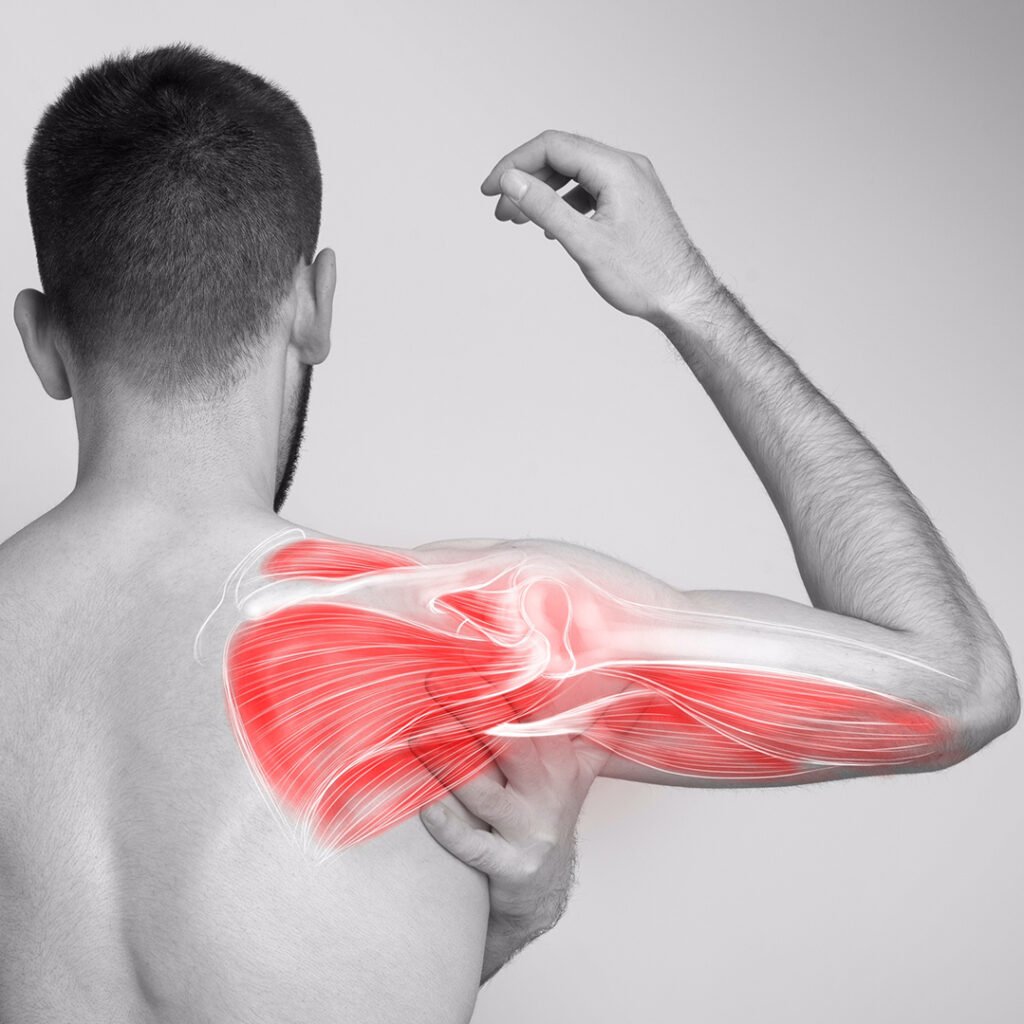
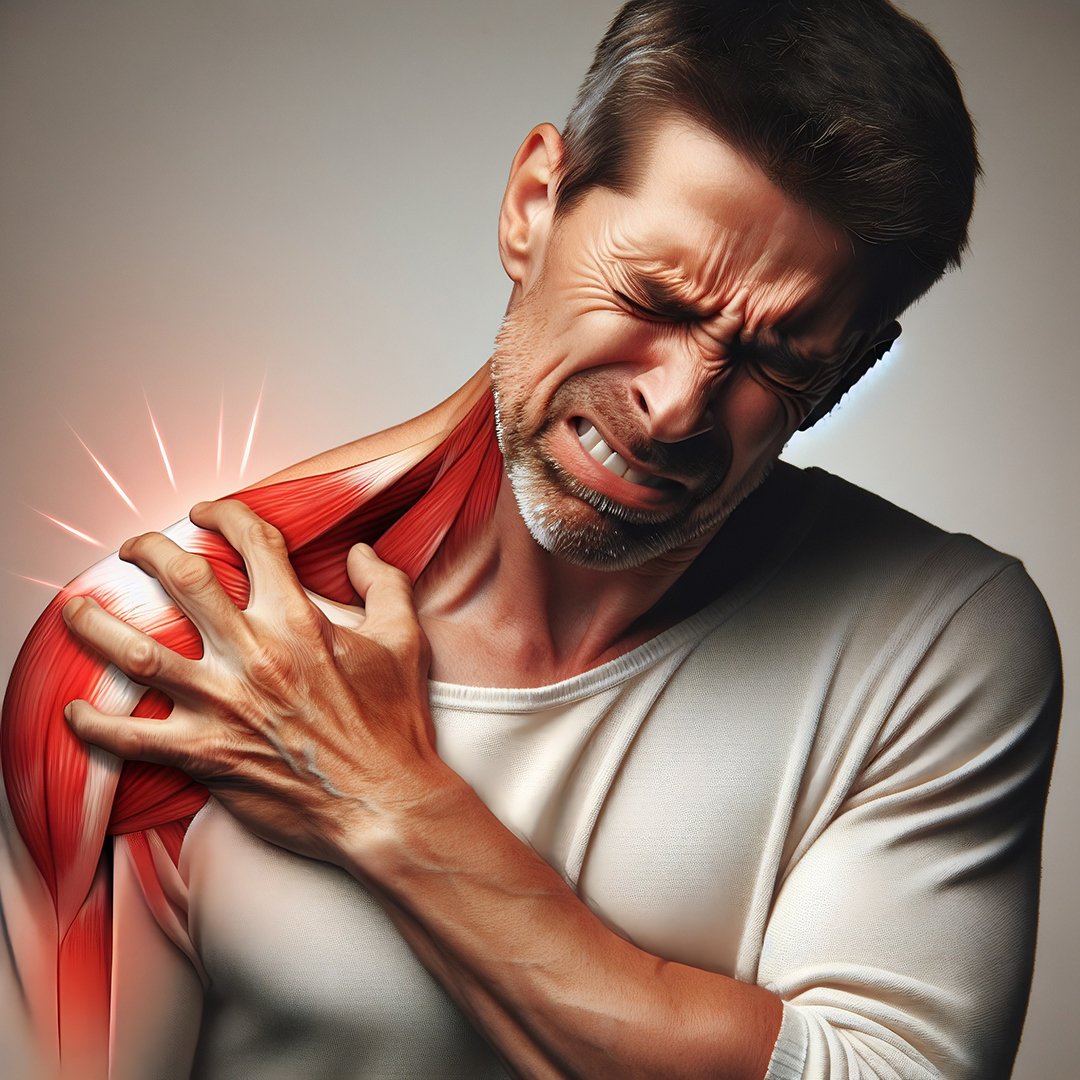
Both long head of the biceps and rotator cuff injuries become more painful during certain shoulder movements. Pain is often felt when lifting the arm above shoulder height, reaching overhead, reaching behind the back, or carrying heavy objects.
Rotator cuff injuries often cause a “painful arc,” where pain is worse when lifting the arm between about shoulder height and halfway above the head. Weakness during lifting or turning the arm outwards may suggest a torn rotator cuff. In many cases, people can still move the shoulder if someone else moves it for them, but lifting it themselves can be painful or difficult.
Do I need surgery?
Treatment for both of these shoulder conditions usually starts without surgery. Patients are advised to rest the shoulder, avoid activities that make the pain worse, and take anti-inflammatory medication if suitable. Physical therapy is important because it helps strengthen the shoulder muscles, improve movement, and reduce pain. Some GPs may suggest a corticosteroid injection if pain continues despite exercise therapy.
Call for a chat: 07816 303 742
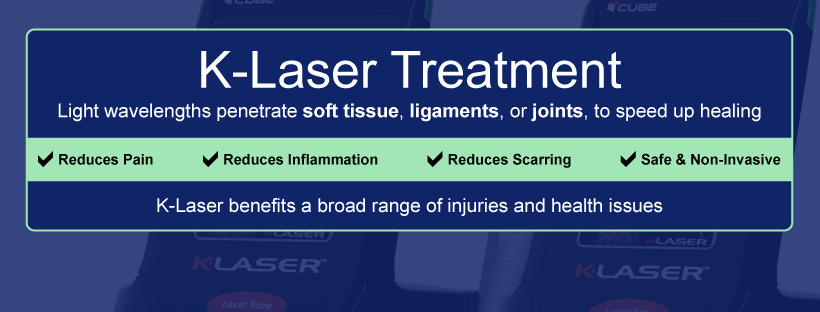
Whilst all of these management strategies are the central focus of most rehabilitation advice, K-Laser and acupuncture are often overlooked despite being extremely effective ways of lessening the burden of painful symptoms or healing body tissues that would usually be considered as difficult to heal due to a decrease of blood supply (like minor rotator cuff tears). There is very sound clinical evidence to support the use of K-Laser for treatment in preference to a corticosteroid injection.
K-Laser is a non-invasive approach compared to an injection which can itself cause an injury on insertion.
Other useful information
For more information specifically about K-Laser, what it is and what it does, read more here.
Also read more on combi-treatments, which react to minor pain in the shoulder quickly to enhance the treatment potential before it worsens. Included in these treatments, I will educate you of how to rehabilitate it at home and also how to best avoid future injures.
Another blog you might consider reading is about the use of K-Laser, which has robust clinical evidence for the management of pains associated with arthritis pain.
Call for a chat: 07816 303 742